
Related Tags
Featured Deal
Do you really need a baritone? A complete guide to guitar scale length
What scale length is right for you? Let’s explore the wonderful world of alternative-scale guitars, from ¾-scale mini guitars all the way up to 30-inch behemoths.
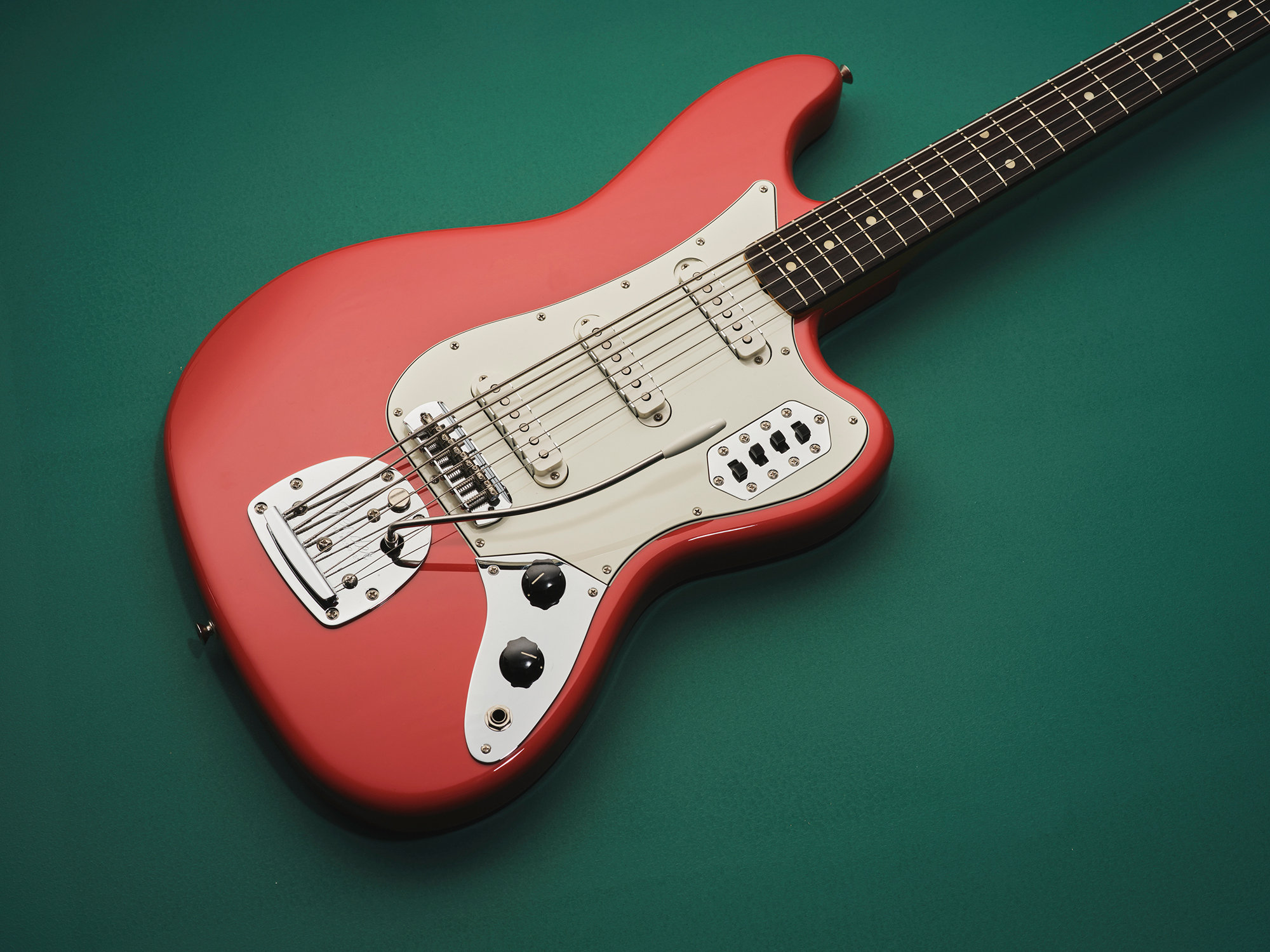
Fender Vintera II Bass VI. Image: Adam Gasson
Featured in this article
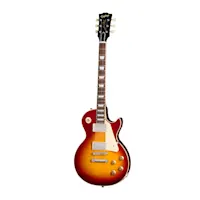
“Scale length”, as well as being one of the few pieces of terminology shared between guitarists and herpetologists, is amongst the most important of a guitar’s specifications. It can totally change how a guitar sounds, in ways far beyond the impact of your choice of pickups or tonewood.
But whether you’re a beginner or a seasoned player looking to branch out into some alternative-scale instruments, the impact of changing scale length can be a little confusing – so let’s explore the long and short of it.
What does the term scale length mean?
Scale length is the distance between the two places on a guitar that its strings are anchored. These are the nut, up at the guitar’s headstock, and, at the other end of things, the bridge. Halfway between these two points will be the 12th fret, with the rest of the fretboard scaled to match. The distance is most often displayed in inches, even in the parts of the world that favour metric – so I’ll stick to using inches rather than mm here.
So, what does changing the scale length actually affect? The main thing to consider is the fact that the same string at a longer scale length will need more tension applied to it to reach the same pitch. This tension is also affected by string thickness – a thinner string will need less tension for the same pitch, a thicker string more. If you’re wanting to tune lower, you can keep the same tension by increasing the string thickness or the scale length, or both. When talking about scale length, it is therefore important to keep in mind these two other factors.
String tension
Having a good idea of what string tension you want to set up a guitar for is important, as it has a huge impact on the sound and playability of your instrument. However, there is a lot of variance in how different players will approach this. One of the most immediately noticeable things tension affects is how easy it is to press the strings to the frets, and to bend. Higher tension means the string will offer more resistance in both cases. Hence players who want to do heavy bending all the time might opt for a lower string tension with thinner strings and/or a shorter scale.
Conversely if you play the guitar like it owes you money, you might want higher tension to keep things from accidentally being bent out of pitch. Higher string tension means more pitch stability in general – if you hit a string really hard, it will naturally bend sharp for a moment, as the energy from you hitting the string has added tension to the system. This effect is exacerbated at a lower starting string tension, as the same amount of energy will affect a thinner string’s pitch more than a thicker string’s.
What string tension does tonally is a little harder to pin down, as a lot of other factors will likely change alongside it. But, generally speaking, lower tension is associated with a ‘warmer’ tone while higher tension is associated with a ‘snappier’ or “brighter” tone. There are many, many other factors at play here, but it’s worth keeping in mind when choosing between, say, a Baritone tuned to B standard or a Gibson-scale guitar tuned to B standard.
Scale exercises
The other variable that impacts string tension is tuning – there are many weird and wonderful alternative tunings out there, some of which are at far lower pitches than E standard, and using a different scale length or a different set of strings or both can make more out-there tunings possible while keeping a similar playing feel.
So when thinking about different scale lengths, it’s handy to consider it as a variable alongside both string gauge and the pitch you’re tuning to. All three of these things impact playability and tone to some degree, and of course there are the generally accepted “right” ways of doing things – but keep in mind that we’re in the subjective land of musical expression here, so certain things that might seem like downsides at first are looked on by some as benefits.
¾-scale guitars – 22” and 22.5”

Let’s begin at the shortest scale lengths that you’re likely to see while still having the instrument count as a guitar, rather than a large six-string ukulele. Guitars between 22” and 22.5” are normally called ¾-scale guitars. And, no, neither of those numbers are actually three-quarters of either of the commonly accepted “standard” electric guitar scale lengths. Don’t think about it.
Regardless, ¾-scale guitars – such as the Gear4Music Visionstring I reviewed relatively recently – are most often beginner instruments, which makes a lot of sense. Their shorter scale length means that all of the frets are very close together – good for smaller hands or those who haven’t developed a wide stretch yet. But it also means that the string tension is lower, and so fretting and bending are both easier. This is super important – think back to those days before you developed your fingertip callouses. Any extra (literal) push-back from the instrument is less than ideal while playing is still painful! Not all guitars of these scales are explicitly beginner things, though – the Fender Duo Sonic has a tiny 22.5” scale, but is hardly placed as a pure beginner guitar.
While the lower tension can add a lot of sonic character and make for a very approachable instrument, there are some less ideal results. These are often not that great at staying in tune, not helped by beginner instruments also being inherently affordably-made. The slacker tension also means less stability when you actually hit the strings.
“Short scale” guitars – 24”
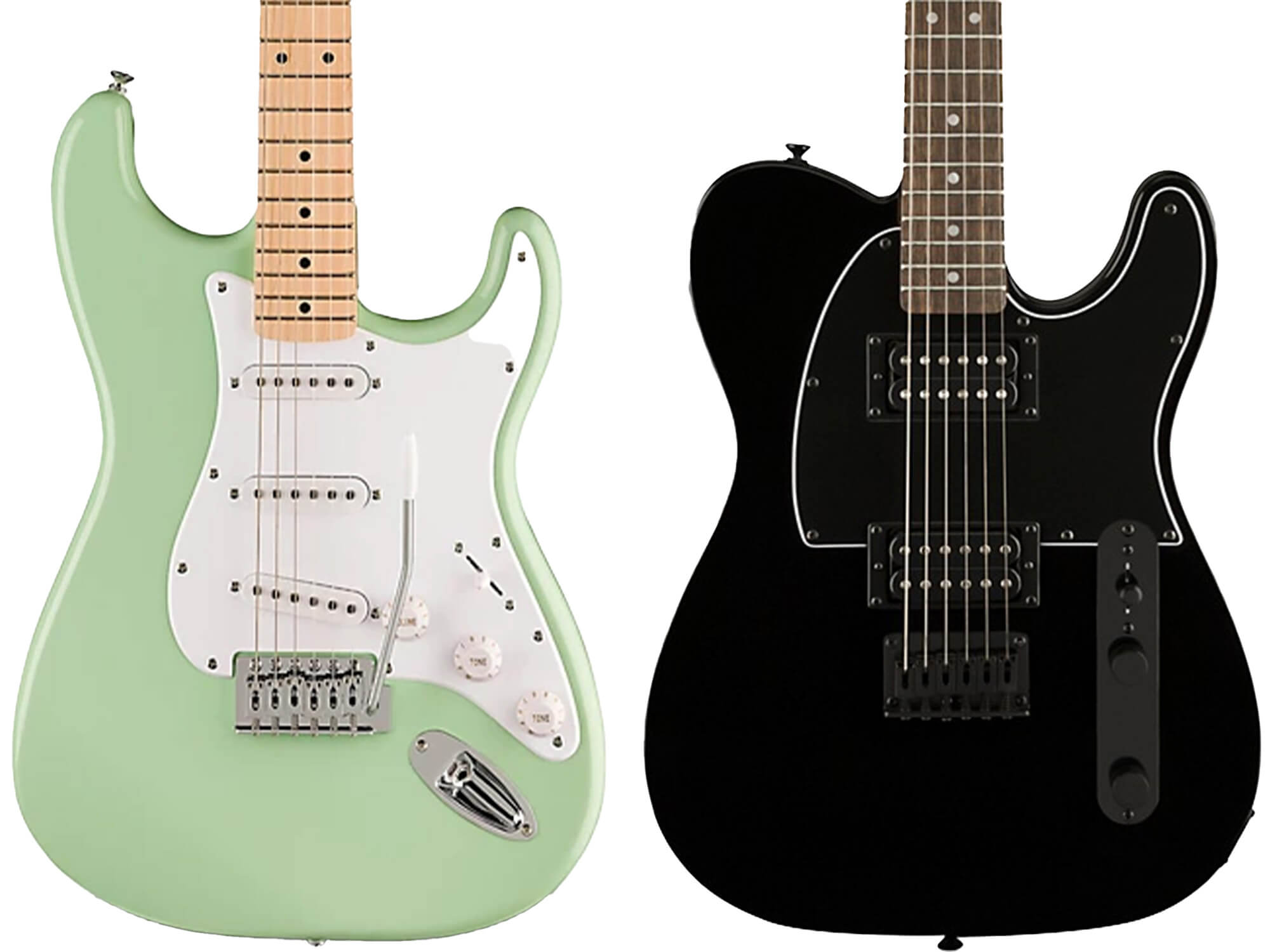
If someone refers to a “short scale” electric that normally means 24” or thereabouts. The most notable examples are Fender’s Mustang and Jaguar – they’ve come to be known and loved by players for their springy, looser feel thanks to that shorter scale.
Here’s where that balancing act between those three elements of scale, tuning and thickness come in – on Jags and Mustangs, you can get away with using thicker strings like 10-52s without having way too much string tension to comfortably play in E standard. Combine the thicker sound of these heavier strings with some aggressive playing and bright, punchy single-coils, well… thank me later. It’s a great combination, and the result is very hard to emulate on a longer-scale guitar. You’ll likely be familiar with the approach if you’ve ever heard of this small underground band called “Nirvana”.
Gibson scale – 24.75”
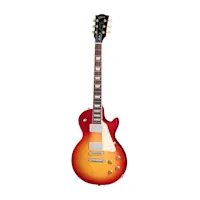
The shorter of the two “regular” scale lengths, this is the standard scale for the vast majority of Gibson’s electric and acoustic guitars. Many guitars that draw direct inspiration from Gibson will also have this same 24.75” scale.
The impact of Gibson’s slighter shorter scale length varies, obviously, depending on your approach – but it means that you’ve got a good amount of room to go in either direction. With 9s, you can absolutely get away with two-whole-tone bends, if you fancy channelling your inner Jimmy Page. Alternatively make the most of those humbuckers, and get some thicker strings for some really massive sounds without having to work as hard as you might have to do on a Strat.
PRS Scale – 25”
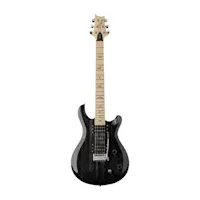
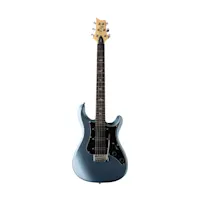
Paul Reed Smith’s approach was to split the difference between the big G and F, slightly favouring the G – for a slightly snappier sound and feel on the lower strings, while retaining easy bendability on the higher strings. Like a less extreme version of a multi-scale eight-string, which PRS sadly do not make at the moment.
Fender scale – 25.5”
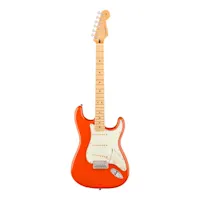
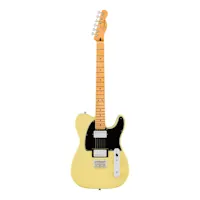
The scale of many of Fender’s ‘standard’ guitars, including basically all Stratocasters, Telecasters and Jazzmasters you’ll see on the market. A 25.5” scale is often cited as a relatively important part of the sonic character of a Strat or a Tele, thanks to the spankier sound mixed with a set of single-coils. The slightly longer scale length also means that Strats in particular really like to be tuned to Eb standard, as you get a very responsive feel from the slightly reduced tension.
Baritones – 26.5”-28”
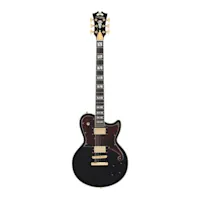
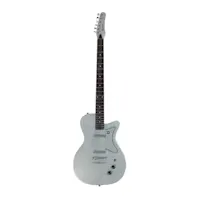
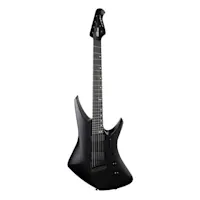
Generally a six-string that’s above 26.5” is classed as a baritone guitar. The longer scale length allows for a lower standard tuning without having to resort to suspension-bridge cabling in lieu of strings – the “standard” baritone tuning is B-B, five semitones down from E standard. Baritones are also, in 2025, just as tonally varied as regular-scale guitars – you’ll see a good few metal-focused guitars in this category, but not every long-scale guitar is pointy and destined for melodeath.
Do you need a baritone to tune to baritone tunings? Absolutely not, however the tonal results of tuning a standard-scale guitar to A vs a tuning a baritone to A will be very different. A baritone will let you keep tension higher, meaning a cleaner, brighter and more tuning-stable sound. This is great if you want some clear, country-tinted ambience, or if you’re aiming for speed and accuracy in your music. However, if you are aiming for chaos and darkness, you can absolutely set even Gibson-scale guitars up to play in absurdly low tunings – just be ready to accept a certain degree of pitch variance if you dig in.
Long-scale baritones/Bass VIs – 30”
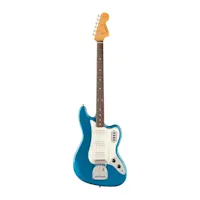
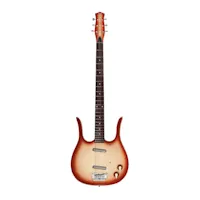
Are Bass VIs baritone guitars or six-string basses? The answer: yes, no, sort of. Guitars like the Danelectro six-string bass and the Fender Bass VI may have the same scale length as some guitars that are marketed as ‘baritones’, but what splits the difference is string gauge and tuning – a “standard” Bass VI string set is thicker than a “standard” baritone set, and Bass VIs will come tuned to one octave below E standard rather than the baritone standard of B.
It’s also worth noting that these are different from six-string bass guitars that are more explicitly extended range bass guitars, which will have much wider fretboards and take full-sized bass guitar strings rather than a set of thicker guitar strings.
Because of the age of their designs, Bass VIs and other six-string bass guitars of this ilk have their own playing traditions that differ a little from what people tend to use modern baritones for. The ‘tic tac’ bass sound, for instance, is centred around clean, percussive basslines played on Danos and/or Fender VIs, slotting between the upright bass and the electric guitar’s place in the band.
Multi-scale guitars
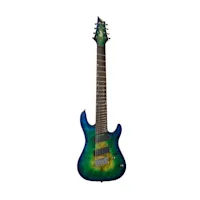
Now that we have explored the many-faceted world of the different guitar scale lengths, it’s time to make things even more complicated. Hooray! If you’ve ever heard the term multi-scale guitar and been a little confused before now, let’s clear things up – all it really means is a guitar that has a different scale length for different strings. A multi-scale instrument allows the lower-tuned strings to have a longer scale for extra tension, and the higher-tuned strings a shorter scale for easier bending. The variance in scale means that the frets, along with the bridge and nut, are “fanned” to compensate. Many multi-scale instruments will have more than six strings, however six-string examples do exist.

Cillian is Guitar.com's Senior Staff Writer. They have written news, features and reviews for Guitar.com since 2019. When not writing about guitars, Cillian spends their time building and modding pedals, and playing drone-doom in their band Epimetheus.